
Inflatable personal flotation devices, commonly known as inflatable PFDs, have become a popular safety option for boaters, anglers, sailors, and paddlers. They are lightweight, comfortable, and far less bulky than traditional foam life jackets. Because of this, many people prefer them for long days on the water.
However, inflatable PFDs rely on a critical component that many people forget to check: the CO2 cylinder. This small cartridge is responsible for inflating the life jacket in seconds when the device is activated. Without a properly working cylinder, the vest may fail to inflate when it is needed most.
That raises an important question for anyone who uses one of these devices: when should you replace the CO2 cylinder in an inflatable PFD?
Understanding the answer is essential for boating safety. The cylinder cannot last forever, and there are specific situations where replacement is necessary. In this guide, we will look closely at how inflatable PFDs work, why the CO2 cylinder matters, and the exact moments when it should be replaced to keep your safety gear reliable.
What Is an Inflatable PFD
An inflatable PFD is a type of life jacket designed to provide buoyancy only when needed. Unlike traditional foam life jackets, it contains an air bladder that inflates using compressed gas stored in a CO2 cylinder.
When the device activates, the gas cartridge releases carbon dioxide into the bladder. The vest expands rapidly and provides flotation support to help keep the wearer above water.
There are two main types of inflatable PFDs used today.
Manual inflatable PFDs require the user to pull a cord that punctures the CO2 cartridge and triggers inflation.
Automatic inflatable PFDs inflate when the device senses water or immersion, although most still include a manual backup cord.
In both cases, the CO2 cylinder is the core component responsible for inflating the vest.
Why the CO2 Cylinder Is Important
The CO2 cylinder is essentially the engine of an inflatable life jacket. Without it, the vest cannot inflate automatically or manually.
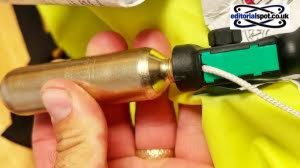
Inside the cartridge is compressed carbon dioxide gas stored under high pressure. When activated, a small pin punctures the cylinder, releasing the gas into the inflatable bladder.
Within seconds, the vest fills with air and creates buoyancy that helps keep a person afloat.
Because this system depends entirely on the cartridge, a damaged or empty cylinder can prevent the PFD from inflating, which could create a serious safety risk during an emergency on the water.
That is why routine inspection and timely replacement of the cylinder are essential parts of maintaining an inflatable life jacket.
When Should You Replace the CO2 Cylinder in an Inflatable PFD
There are several situations where replacing the CO2 cylinder becomes necessary. These situations are widely recommended by safety organizations and boating experts.
Replace It After the PFD Inflates
The most important rule is simple.
You must replace the CO2 cylinder every time the inflatable PFD inflates.
Once the vest inflates, the activation mechanism punctures the cartridge and releases the compressed gas. At that point, the cylinder is empty and cannot be reused.
Even if the inflation happened during testing or by accident, the cartridge must be replaced before the life jacket can function again.
Replace It If the Cylinder Is Damaged
Physical damage is another clear sign that the cartridge should be replaced.
If you notice dents, cracks, scratches, or other structural damage on the cylinder, it should be removed immediately. CO2 cartridges hold gas under high pressure, and any damage can weaken the metal.
A damaged cylinder may fail to release gas properly or may not fit securely in the inflator system.
Replace It If There Is Rust or Corrosion
Inflatable PFDs are often used in marine environments where moisture and saltwater are common. Over time, this exposure can cause rust or corrosion on the CO2 cartridge.
Rust weakens the metal and can interfere with the puncture mechanism used during activation.
If the cartridge shows any signs of corrosion or discoloration, the safest option is to replace it right away.
Replace It Every Few Years
Although CO2 cartridges do not always have a strict expiration date, most experts recommend replacing them periodically.
Many boating safety guides suggest replacing the cylinder every two to three years, even if it has never been used.
This recommendation exists because environmental conditions such as humidity, temperature changes, and salt exposure can gradually affect the cartridge.
Replacing the cylinder every few years is a simple precaution that ensures your safety equipment remains reliable.
Replace It If It Has Been Stored for a Long Time
Long periods of storage can also affect the performance of a CO2 cylinder.
Inflatable PFDs stored in damp lockers, boat compartments, or garages may experience moisture buildup. Over time, this can lead to corrosion or weakening of the cartridge.
If a life jacket has been stored for several years without inspection, replacing the cylinder is a smart safety step.
Replace It If the Cartridge Is Loose or Improperly Installed
Another common issue occurs when the cartridge becomes loose or partially unscrewed.
If the cylinder is not properly installed, the puncture pin may fail to activate the cartridge when needed. This could prevent the life jacket from inflating.
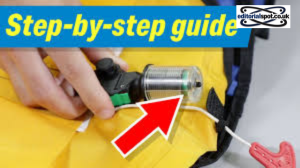
During inspections, ensure the cylinder is tightly screwed into the inflator mechanism and properly aligned.
If there is any doubt about the cartridge’s condition or installation, replacing it is the safest choice.
How Often Should You Inspect the CO2 Cylinder
Replacing the cylinder is important, but regular inspection is just as essential.
Experts recommend performing a quick inspection before every boating trip. This takes only a few moments but can help identify potential issues early.
During the inspection, check that the cartridge is tightly installed and free of damage or rust. Also confirm that the inflator mechanism appears intact.
Regular inspection ensures the life jacket remains ready for use whenever you head onto the water.
How to Check Your Inflatable PFD
A simple inspection process can help confirm that your PFD is functioning properly.
Start by opening the inflation compartment and locating the CO2 cartridge. Examine the surface of the cylinder carefully.
Look for dents, corrosion, or any unusual markings that could indicate damage.
Next, verify that the cartridge is properly screwed into the inflator mechanism. It should feel secure and aligned with the device.
Some inflatable PFDs also include a visual indicator window that shows whether the system is armed and ready for use.
Another useful test involves manually inflating the life jacket using the oral inflation tube. Leaving it inflated overnight can help detect small leaks in the air bladder or seams.
This test checks the vest itself without puncturing the CO2 cartridge.
Proper Storage for Inflatable PFDs
Proper storage plays an important role in extending the life of both the life jacket and the CO2 cylinder.
After each boating trip, rinse the PFD with fresh water to remove salt, sand, or debris. Allow it to dry completely before storing it.
The vest should be kept in a cool, dry location away from direct sunlight and excessive heat.
Moist environments can encourage corrosion on the cartridge, while prolonged sun exposure can weaken the fabric of the vest.
By storing the PFD properly, you can reduce the chances of needing early replacement of the cylinder or other components.
Common Mistakes People Make With Inflatable PFDs
Many people assume that inflatable life jackets require little maintenance. Unfortunately, that assumption can lead to safety problems.
One common mistake is forgetting to replace the CO2 cartridge after the vest inflates. Some users simply repack the vest and store it without installing a new cylinder.
Another mistake is ignoring visible damage or corrosion on the cartridge. Even small dents or rust spots can affect performance.
Improper storage is another issue. Keeping the life jacket in damp or poorly ventilated areas increases the risk of corrosion.
Regular inspections and responsible maintenance can easily prevent these mistakes.
Final Thoughts
Knowing when you should replace the CO2 cylinder in an inflatable PFD is an important part of boating safety.
The basic rules are straightforward. Replace the cylinder after the PFD inflates, whenever it becomes damaged or corroded, and every few years as part of routine maintenance.
Taking a few minutes to inspect your life jacket before each outing can make a significant difference. A properly maintained inflatable PFD provides reliable flotation and peace of mind on the water.
Safety equipment is only effective if it works when needed. By keeping the CO2 cylinder in good condition and replacing it at the right time, you ensure your inflatable PFD remains ready to protect you during unexpected emergencies.
FAQs
How often should you replace the CO2 cylinder in an inflatable PFD?
You should replace the CO2 cylinder every time the PFD inflates because the gas cartridge becomes empty after activation. It is also wise to replace it every few years as part of regular maintenance.
Can a CO2 cylinder expire in an inflatable PFD?
CO2 cylinders usually do not have a strict expiration date, but they can corrode or weaken over time. Many experts suggest replacing them every two to three years for safety.
What happens if you don’t replace the CO2 cylinder?
If the cylinder is empty or damaged, the inflatable PFD may not inflate during an emergency, which can create a serious safety risk on the water.
How do you know if the CO2 cylinder needs replacement?
Check for rust, dents, or a red indicator on the inflator. These signs usually mean the cartridge should be replaced.
Can an inflatable PFD work without a CO2 cylinder?
Most inflatable PFDs include an oral inflation tube for manual air inflation, but the CO2 cylinder is needed for quick automatic inflation in emergencies.