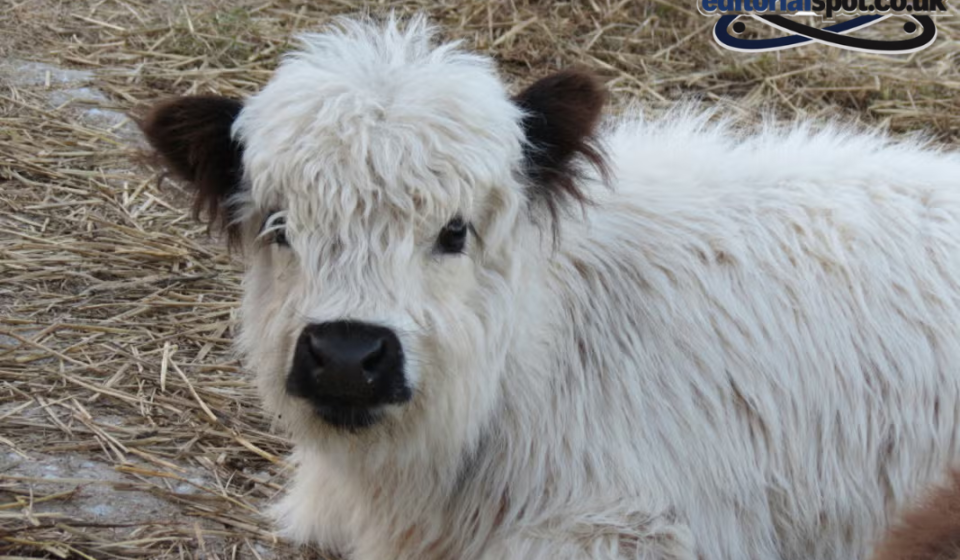

There’s a reason the mini Highland cow has become such a popular choice among small farm owners and animal lovers. With their shaggy coats, gentle nature, and manageable size, they offer the charm of traditional cattle without the overwhelming upkeep.
But owning one isn’t as simple as it might look on social media. A mini Highland cow still requires proper space, nutrition, and consistent care. This guide walks you through everything you need to know as a beginner, from daily care basics to costs and common mistakes.
What Is a Mini Highland Cow?
A mini Highland cow is a smaller version of the traditional Highland cattle breed, originally from Scotland. These cows are bred selectively to maintain their iconic long hair and curved horns while being more compact and easier to manage.
They are known for their calm temperament, adaptability, and ability to thrive in different environments.
Mini Highland Cow Size and Lifespan
Mini Highland cows are significantly smaller than standard Highland cattle. On average:
- Height: 36 to 42 inches
- Weight: 500 to 800 pounds
Despite their size, they are hardy animals with a lifespan of 15 to 20 years, making them a long term commitment.
Temperament and Behavior
One of their biggest advantages is their personality. Mini Highland cows are generally:
- Calm and friendly
- Curious but not aggressive
- Easy to handle with proper training
This makes them suitable for beginners, families, and hobby farmers.
Mini Highland Cow Care Basics for Beginners
Caring for a mini Highland cow involves more than feeding and shelter. These animals need a stable environment and consistent routines to stay healthy.
Space and Land Requirements
Even though they are smaller, they still need space to roam and graze. Ideally:
- At least ½ to 1 acre per cow
- Secure fencing to prevent wandering
Good fencing is essential, as cows are naturally curious and may test boundaries.
Shelter and Living Conditions
Mini Highland cows are hardy, but they still need protection from extreme weather. A simple shelter or barn should:
- Provide shade in hot weather
- Block wind and rain
- Stay dry and well ventilated
Their thick coat helps in cold climates, but excessive heat can be challenging.
Feeding a Mini Highland Cow Properly
A proper diet is essential for maintaining the health and energy of your mini Highland cow.
What Do Mini Highland Cows Eat?
Their diet mainly consists of:
- Fresh pasture grass
- High quality hay
- Clean, fresh water at all times
During winter or dry seasons, hay becomes the primary food source.
Supplements and Minerals
Mini Highland cows benefit from added nutrients, such as:
- Salt licks for essential minerals
- Calcium and phosphorus supplements if needed
These help support bone health and overall development.
Common Feeding Mistakes to Avoid
Many beginners make avoidable errors, including:
- Overfeeding grain, which can cause digestive issues
- Providing low quality or moldy hay
- Ignoring seasonal dietary changes
A simple, balanced diet is often the best approach.
Health and Grooming Essentials
Keeping your mini Highland cow healthy requires both preventative care and regular grooming.
Routine Health Care
Basic healthcare includes:
- Regular vet checkups
- Vaccinations as recommended
- Parasite control and deworming
For more general information about cattle care, you can refer to this overview of cattle:
Grooming and Coat Maintenance
Their long, shaggy coat needs attention. Regular grooming helps:
- Prevent matting
- Remove dirt and debris
- Keep the animal comfortable
Hoof trimming is also important to prevent mobility issues.
How to Raise a Mini Highland Cow Step by Step
Starting with a mini Highland cow can feel overwhelming, but breaking it down into steps makes it manageable.
Prepare Your Space
Before bringing a cow home, set up:
- Secure fencing
- A clean shelter
- Adequate grazing area
Preparation avoids stress for both you and the animal.
Choose a Healthy Cow
When buying, look for:
- Bright eyes and clean coat
- Good posture and movement
- No signs of illness or lethargy
Buying from a reputable breeder is highly recommended.
Establish a Feeding and Care Routine
Consistency is key. Feed and check on your cow at the same times daily. This builds trust and reduces stress.
Monitor Health and Behavior
Pay attention to changes in:
- Appetite
- Activity levels
- Behavior
Early detection of issues can prevent serious problems.
Mini Highland Cow Costs and Budget Planning
Owning a mini Highland cow is rewarding, but it does come with financial responsibilities.
Initial Purchase Cost
Prices can vary depending on location and breeder, but generally range from:
- $1,500 to $5,000 per cow
Factors like age, size, and pedigree can influence the price.
Ongoing Expenses
Monthly and yearly costs include:
- Feed and hay
- Veterinary care
- Fencing and maintenance
These ongoing expenses are often underestimated by beginners.
Is It Worth the Investment?
For many, the answer is yes. Mini Highland cows provide:
- Companionship
- Land maintenance through grazing
- A unique and enjoyable farming experience
Mini Highland Cow vs Standard Highland Cow
Understanding the difference helps you make the right choice.
Size and Space Needs
Mini Highland cows require less space, making them ideal for small farms.
Care and Feeding Differences
Both require similar care, but minis consume less food, reducing costs slightly.
Which One Is Better for You?
If you have limited space and are new to cattle, a mini Highland cow is usually the better option.
Best Tips for First Time Mini Highland Cow Owners
Start Small and Learn Gradually
Begin with one cow or a pair. This helps you understand their needs without feeling overwhelmed.
Build a Consistent Routine
Animals thrive on routine. Feeding, cleaning, and checking health at regular times builds stability.
Work With a Local Vet or Expert
Having access to professional advice can save you time, money, and stress.
Common Mistakes to Avoid
Underestimating Space Needs
Even mini cows need room to move. Crowded conditions lead to stress and health issues.
Poor Diet Management
Feeding too much grain or low quality forage can quickly lead to illness.
Ignoring Regular Health Checks
Skipping vet visits or grooming can cause small problems to become serious.
Real Life Uses and Benefits of Mini Highland Cows
Mini Highland cows are more than just cute animals.
As Pets or Companion Animals
Their calm nature makes them excellent companions for those with enough space.
Small Scale Farming or Homesteading
They are ideal for hobby farms and sustainable living setups.
Land Management and Grazing
They naturally help maintain grass and reduce overgrowth, making them useful for property care.
Frequently Asked Questions
Are mini Highland cows good pets for beginners?
Yes, they are generally calm and manageable, making them suitable for beginners with proper preparation.
How much land does a mini Highland cow need?
Around ½ to 1 acre per cow is recommended for healthy grazing and movement.
What do mini Highland cows eat daily?
Their diet mainly includes grass, hay, and fresh water, with occasional mineral supplements.
How much does a mini Highland cow cost?
They typically cost between $1,500 and $5,000, depending on various factors.
Can mini Highland cows live in hot climates?
Yes, but they need shade and proper cooling since their thick coat can make heat challenging.
Do mini Highland cows require a lot of maintenance?
They require moderate care, including feeding, grooming, and health checks, but are generally low maintenance compared to larger cattle.
Conclusion
A mini Highland cow can be a wonderful addition to the right home or farm. They combine charm, manageable size, and a gentle personality, making them ideal for beginners willing to learn.
With proper planning, consistent care, and attention to their needs, you can enjoy a rewarding experience raising these unique animals. The key is to start prepared, stay consistent, and treat their care as a long term commitment.