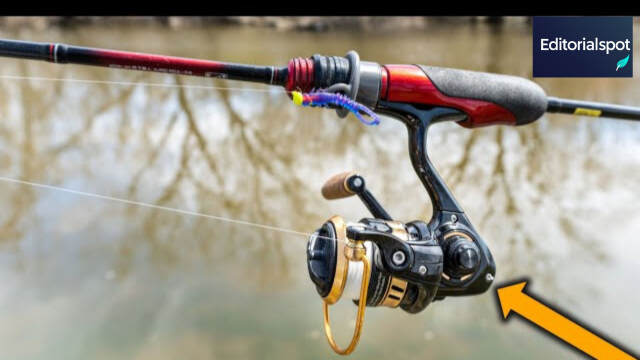

The Daiwa QZ 750 is one of those reels that doesn’t always get the loudest hype, yet it keeps showing up in the hands of anglers who know what they’re doing. It’s compact, light, and built with a surprisingly solid feel for its size. If you chase panfish, trout, or even light bass on smaller setups, you’ve probably heard its name thrown around more than once. I wanted to see whether the interest around this reel still holds up, so I took it through a full set of real‑water tests across creeks, ponds, and tight river pockets. This review covers what actually stood out, what didn’t, and how the reel handled when put under honest use.
Overview of the Daiwa QZ 750
The Daiwa QZ 750 sits at the ultralight end of the spinning reel category. Anglers usually pick it for finesse fishing or when they want something reliable but not bulky. The design is clean, with a compact body built around Daiwa’s well‑known smooth gearing system. The spool is shallow enough to favor light lines, but it still provides enough capacity for long casts with 2–6 lb mono or similar braid setups. The reel has a smooth drag, a lightweight frame, and the kind of crank feel that makes small‑fish fights more fun instead of clunky.
The reputation around this reel mostly comes from its consistency. It isn’t overly flashy and doesn’t advertise features you’ll never use. Instead, it focuses on the basics, which is something Daiwa tends to do well across its smaller models.
Quick Specs That Matter
The main specifications for the Daiwa QZ 750 include a lightweight composite frame, a smooth gear system, and an efficient drag designed for light‑line tactics. The gear ratio sits in a range that offers a balanced retrieve, not too fast or too slow for ultralight fishing. The rotor and handle both feel crisp, which is something Daiwa reels are known for. What you get is a reel that makes finesse work easier without demanding constant adjustments.
Another highlight is the line lay. The spool distributes line evenly, which helps reduce wind knots and keeps long casts more predictable. This becomes noticeable especially with braided line, where lower‑quality ultralight reels sometimes struggle.
While specs alone don’t tell the whole story, they give a good early picture of why the QZ series has stayed popular among anglers who spend serious time on the water.
Build Quality and Feel in Hand
One of the first things you notice with the Daiwa QZ 750 is its weight. It feels light without feeling cheap. The frame has a sturdy backbone, the bail arm snaps confidently, and the handle turns with a smooth, controlled rotation. Daiwa’s build quality tends to be reliable in this size range, and the QZ 750 reflects that. There’s no excessive play in the spool or handle, even after multiple outings.
The reel balances nicely on most ultralight and light rods, which is something many anglers overlook. A poorly balanced reel can fatigue your hand faster than you realize. With this reel, even long hours of casting small jigs or inline spinners didn’t become uncomfortable.
Durability also held up well. After fishing in muddy bank areas and dusty trails, the reel never picked up grinding or unusual stiffness. Rinsing it after each trip kept everything in check. Daiwa’s internal design seems to seal things enough for typical freshwater conditions.
Real‑Water Performance
This is the part most anglers actually care about. The Daiwa QZ 750 performs impressively once you start working with it. Casting is where it first stands out. Light baits sail off the spool smoothly without hesitation. Whether I was tossing 1/32‑ounce jigs or weightless soft plastics, the reel didn’t struggle with distance or accuracy.
The drag is another strong point. It doesn’t jerk on startup, which matters when you’re fighting fish on weak line. I tested it on smallmouth in tight current and stocked trout in clear streams, and the drag held steady without slipping unexpectedly. Even when a fish surged, the pressure stayed predictable.
Line management is consistent as well. I used both 4 lb mono and 6 lb braid with a fluorocarbon leader. In both setups, line lay remained even, and I didn’t experience the usual wind knots that weaker ultralight reels often create. The spool design clearly helps with this, and Daiwa usually puts extra attention into their line‑lay systems.
As for retrieve feel, it’s smooth and confident. You can feel what’s happening on the other end without the reel adding vibration or noise. This helps with detecting subtle bites, especially in cold water when fish are sluggish.
Where the Reel Easily Shines
The Daiwa QZ 750 excels at finesse fishing. If you enjoy targeting trout in moving water or panfish that nibble lightly, the reel gives you the control and sensitivity you need. It also shines in situations where casting accuracy matters, such as small streams or pond corners where fish stack up.
Another area is comfort. Long sessions of tossing tiny lures can wear down your wrist if the reel is heavy or awkwardly balanced. The QZ 750 avoids that. You can cast for hours without feeling like the setup is dragging you down.
The reel’s drag system makes ultralight fishing more fun too. It gives small fish enough room to run, turning even little catches into a more enjoyable fight. For anglers who appreciate the art of light‑line fishing, this is a big plus.
A Few Weak Spots to Be Aware Of
No reel is perfect, and the Daiwa QZ 750 has a few limitations worth mentioning. First, it’s not built for heavy fish or aggressive saltwater use. The frame isn’t designed for large species that make long runs or torque the reel harder than its internals can handle. Light saltwater might be fine with careful rinsing, but that’s not its intended environment.
Another limitation is the spool capacity. While perfect for ultralight techniques, it may feel restricting if you try to use heavier line. Trying to force anything beyond its intended purpose works against the reel instead of with it.
Some anglers may also want a slightly faster gear ratio for covering water quickly. While the retrieve speed is balanced for finesse work, power anglers or those used to faster reels might find it slow for certain techniques.
Comparison With Similar Reels
When compared to other ultralight reels in the same general price range from brands like Shimano and Pflueger, the Daiwa QZ 750 holds its own. Shimano’s ultralight reels are known for buttery retrieves, while Pflueger often offers strong value for the price. The QZ 750 fits right between them by offering consistent durability, smooth performance, and reliable line handling.
What sets the Daiwa model apart is its clean balance of features. Shimano often leans on ultra‑refined gearing, while Pflueger reels sometimes focus on maximum smoothness. The QZ 750 gives a little of everything without leaning too heavily on any one marketing point. That balance is a big reason anglers keep returning to it.
Best Rod and Line Pairings
This reel performs at its best when matched with a sensitive ultralight or light spinning rod. A rod in the 5’6″ to 7′ range works well depending on the type of water you fish. The reel’s weight and feel blend naturally with fast or moderate‑fast rods designed for small lure presentations.
For line, 2–6 lb mono is the traditional choice, and it performs smoothly on this reel. If you prefer braid, 6 lb or 8 lb braid with a fluorocarbon leader gives excellent casting distance and keeps sensitivity high. The reel handles both line types without issues, so the choice comes down to your fishing style.
Who This Reel Fits Best
The Daiwa QZ 750 is ideal for anglers who enjoy finesse tactics, light lures, and subtle presentations. Trout anglers, creek fishermen, panfish chasers, and ultralight bass anglers will all find plenty to appreciate. It also fits well for beginners who want a durable, smooth reel without spending too much or dealing with a steep learning curve.
Experienced anglers who already use ultralight setups will appreciate the reel’s consistency and predictable performance. It doesn’t get in your way, and that’s one of its biggest strengths.
Final Verdict
After full testing across several types of water and setups, the Daiwa QZ 750 holds up as one of the better ultralight reels available for its size. It casts smoothly, handles light line well, and delivers a drag system that makes finesse fishing feel natural. It’s not made for heavy fish or demanding saltwater work, but within its intended range, it performs at a level that’s easy to appreciate.
The durability, smoothness, and balanced design come together to create a reel that feels trustworthy. If you want a dependable ultralight spinning reel for trout, panfish, or small‑water bass fishing, the Daiwa QZ 750 is a strong choice that continues to earn its place among everyday anglers.
you may also read: How Tuengalore Surprised Me
FAQs
1. Is the Daiwa QZ 750 good for beginners?
Yes, it’s easy to handle and doesn’t overwhelm new anglers. The smooth drag and light feel make it beginner‑friendly.
2. What type of fishing is the Daiwa QZ 750 best for?
It works well for light freshwater setups. It’s a solid choice for trout, panfish, and finesse presentations.
3. Does the reel hold up over time?
With regular cleaning, it stays smooth and reliable. The build quality is better than most reels in its price range.
4. How does it cast compared to similar reels?
It casts surprisingly well for its size. Most anglers notice consistent distance and fewer line issues.
5. Is the Daiwa QZ 750 worth the money?
If you want a small, dependable reel without paying premium prices, it offers strong value for everyday fishing.